
With Madeline Collins, Sanaa Humayun, Abedar Kamgari, Suzanne Morrissette & Alana Traficante

Threading Frequencies — Montreal Monochrome XI — TRANSIENT
Long table discussion featuring artist-run centre leaders: Abedar Kamgari (SAVAC), Sanaa Humayun (Hamilton Artists Inc.), and Alana Traficante (Gallery 44), co-facilitated by researchers Madeline Collins and Suzanne Morrissette (OCAD University).
Thursday, September 3, 2026 at 1:30 PM. Followed by an open discussion from 3 to 5 PM.
Conversation in English but live translation to French will be available. Free and open to all.
Montreal Monochrome is an annual conference series for Indigenous, Black, and artists and cultural workers of color, organized by articule's Fabulous Committee. This 11th edition, which will take place from September 2-6, 2026, will expand to welcome guests from across Canada to explore our theme: TRANSIENT. Details about this edition of Montreal Monochrome and the full program.
This long table conversation brings together cultural workers from Gallery 44, Hamilton Artists Inc., South Asian Visual Arts Centre (SAVAC), and OCAD University who have been collaborating as part of Threading Frequencies—a three-year partnership project that responded to EDIA (Equity, Diversity, Inclusion, Accessibility) practices within artist-run centres alongside public discourse regarding institutional mistreatment of marginalized arts workers. Through research and programming related to EDIA, the project sought to link existing gestures with new perspectives, establish a lateral mentorship model across organizations, and create critical networks of care amid crisis.
This session invites reflection on the socio-political contexts, successes and lessons that has informed this work so far, and creates a space to strategize and dream about the future of Equity and Diversity initiatives in Canadian arts.
Speakers: Madeline Collins, Sanaa Humayun, Abedar Kamgari, Suzanne Morrissette, Alana Traficante.
Schedule of Activity
Part I: 75 minutes starting at 1:30 PM.
Longtable discussion featuring artist-run centre leaders: Abedar Kamgari (SAVAC), Sanaa Humayun (Hamilton Artists Inc.), and Alana Traficante (Gallery 44), co-facilitated by researchers Madeline Collins and Suzanne Morrissette (OCAD University).
15 minute break
Part II: 90 minutes, starting at 3 PM.
Inviting MMXI participants to join the conversation, this longform discussion will reflect on Threading Frequencies’ successes and lessons learned, and will urge the questions:
What are we moving toward in the future?
What future contexts are we anticipating?
What tools and networks do we need to be successful?
What does this work need to survive?
Animatrices
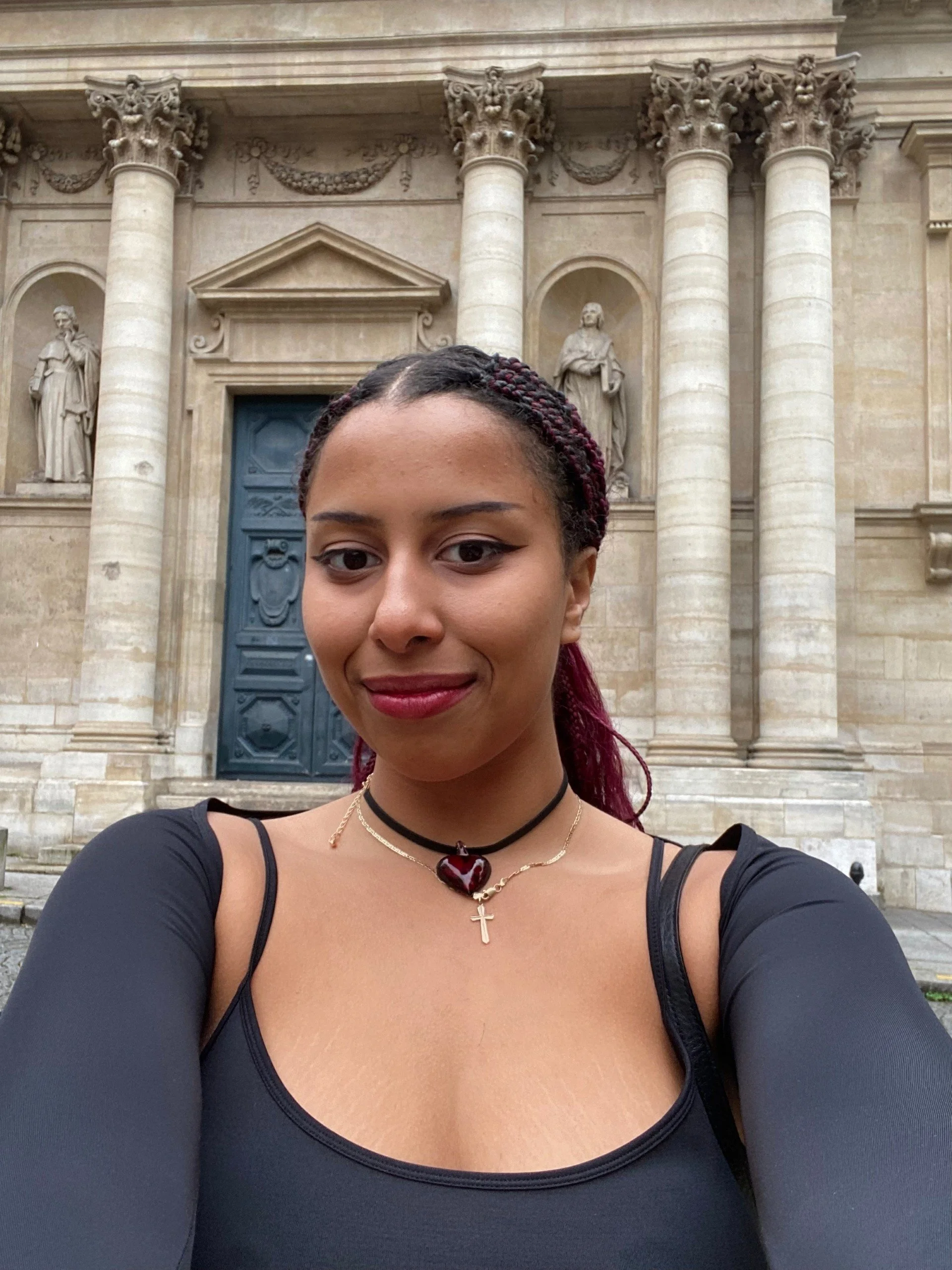
Madeline Collins (she/her) is a contemporary art writer, curator, and artist based in Tkarón:to/Toronto, Ontario. Her practices principally explore identity-making and worldbuilding in queer-of-colour imaginaries, diasporic theory, and the visioning of “worlds otherwise” amid crisis. Her publications include the podcast Unboxing the Canon and articles in Journal of Curatorial Studies, Senses & Society, Economía Creativa, and RACAR. She holds a Master’s of Arts in contemporary art history from OCAD University. Madeline currently works as a research assistant at the Centre for the Study of Black Canadian Diaspora and an editorial assistant at Studio Magazine.
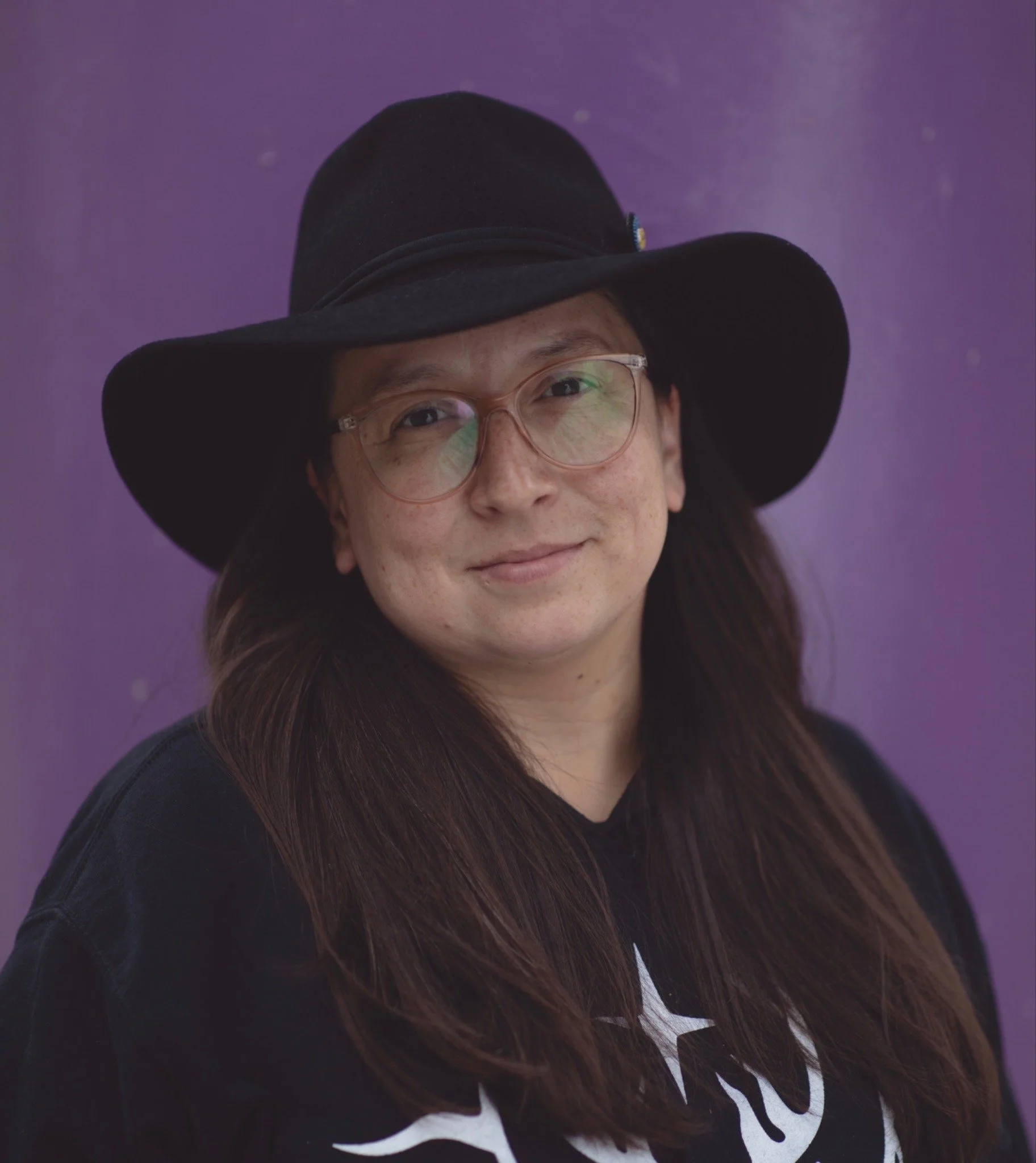
© Photo Credits: Nadya Kwandibens, 2026.
Suzanne Morrissette, PhD (she/her) is a Red River Métis artist, curator, and scholar who is currently based out of Toronto and Winnipeg. She is currently Associate Professor and Chair of the Indigenous Visual Culture BFA program at OCAD University. As an arts-based researcher Suzanne’s interests include: the state of arts funding and EDI initiatives in Canada, people-led models for arts-based engagement, and pedagogies of parenting as a way of addressing Indigenous futures.
Speakers
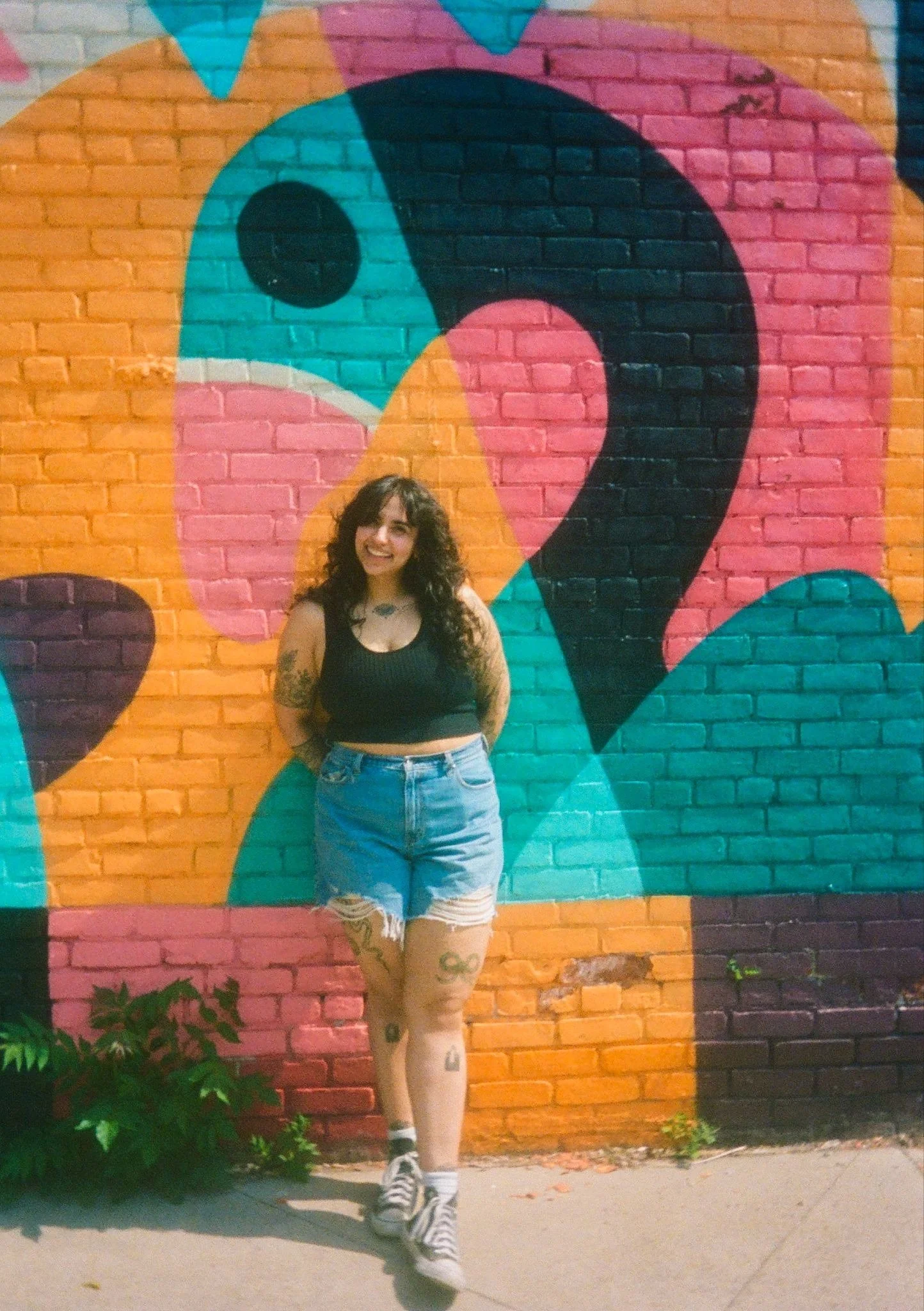
© Photo Credits: Paige Paton, 2026.
Sanaa Humayun (she/her) is an artist, writer, & curator, living and working in Hamilton, ON. Her practice opens up spaces for serious play, investigates the foibles of modern cultural work under late-stage capitalism, and offers relationality as a tool to build something better under it. She is the Artistic Director at Hamilton Artists Inc. Along with Kiona Callihoo Ligtvoet, Sanaa co-organizes Making Space - a peer mentorship group for early-career BIPOC artists. You can usually find her laughing a little too loudly with her friends in public places.

Alana Traficante (she/her) is the Executive Director of Gallery 44 Centre for Contemporary Photography in Toronto. She is also a curator, writer and editor, whose ideas are informed by images, interconnection, networks, nature, nightlife, and cultural criticism.
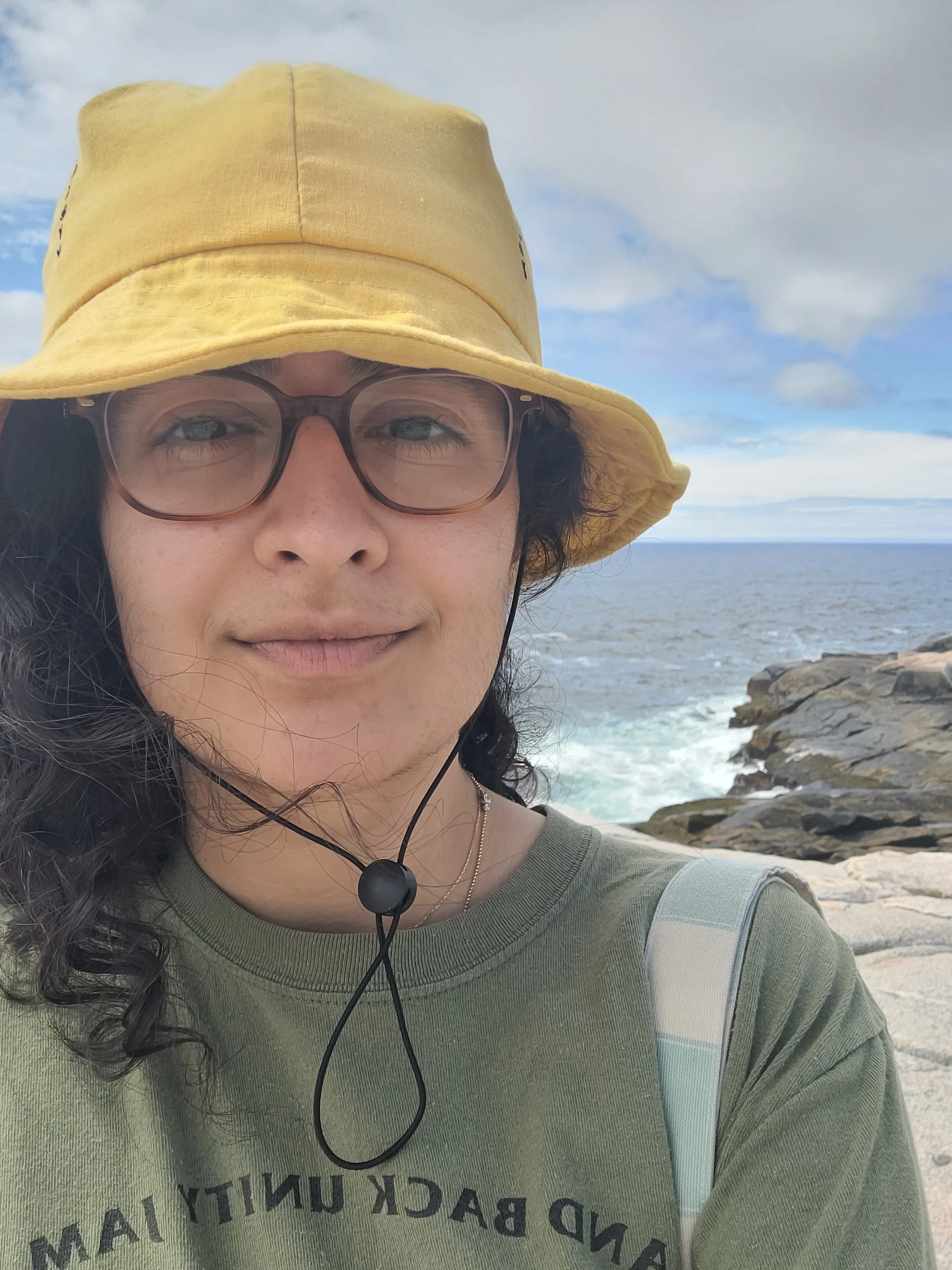
Abedar Kamgari is an artist, curator, writer and arts worker. In her art practice, she is deeply influenced by performance art and her pieces often emphasize and question the presence, absence, movements and responsibilities of bodies in relation to land and labour. Her current projects explore body memory, complicated inheritances, and the idea of distance. As the artistic director at SAVAC (South Asian Visual Arts Centre), Abedar organizes exhibitions, film screenings, artist talks, performances, and other unconventional or experimental creative projects on a myriad of themes that respond to the living concerns of people of colour in Canada and across the globe. She has developed programs on diasporic artistic methodologies, performance art, race and the politics of inclusion, and relationships to land and place.
MMXI Schedule
Wednesday, September 2, 2026
Opening Reception & Performance
— Starting at 5:30 PM: presented by BLK D’OR featuring Jahsun, Engone Endong, and Cabral Jacobs.
Thursday, September 3, 2026
Threading Frequencies: Longtable discussion
— At 1:30 PM: Featuring artist-run centre leaders: Abedar Kamgari (SAVAC), Sanaa Humayun (Hamilton Artists Inc.), and Alana Traficante (Gallery 44), co-facilitated by researchers Madeline Collins and Suzanne Morrissette (OCAD University).
Open Discussion
— At 3 PM: Open discussion, continuing on with the themes from the long table discussion all participants are invited to contribute to an open discussion.
Performance
— At 6:30 PM: Amanda Préval — What Remains…
Performance
— At 7 PM: Dani Carter — SWIRL/SADDLE
Friday, September 4, 2026
Keynote Address
— At 5:30 PM: Keynote Address featuring Daniela Andrade & Fern — p(B)ajubá e a proteção de pessoas trans e travestis. In French but live translation to English will be available.
Performance
— At 7 PM: Joliz Dela Peña — Trespassing the Timeline
Saturday, September 5, 2026
Collective pottery patchwork II
— At 1:30 PM: With atelier clé (facilitated by Laura Leong and Kadidia Traore).
Performance-Workshop
— At 6 PM: Sabina Gámez Ibarra — Desire Paths
Sunday, September 6, 2026
Terms and Conditions: a workshop and discussion
— At 1:30 PM: A workshop and discussion presented by Collective Collective and Parker Mah
Clay Re:Gathered
— At 1:30 PM: : Hand-on workshop with Babita Sharma
Three artists will present their installation works during Montréal Monochrome: Maya Amoah, Nathalie Batraville, and Anna J. McIntyre.
TRANSIENT
TRANSIENT refers to what circulates under pressure: diasporic bodies, minoritized languages, unstable archives, trans/queer and racialized practices that resist regimes of fixation, measurement, and categorization. Against colonial, institutional, and statistical logics that flatten difference into acronyms, metrics, or singular narratives, TRANSIENT foregrounds relational, embodied, and collective forms of knowledge. It creates a space where identity is understood as a process rather than a stable fact, where memory is activated through use and gesture, and where movement becomes a strategy for survival, care, and continual remaking.
TRANSIENT names a situated condition shaped by movement, constraint, and political timing. It is neither a temporary state nor mobility for its own sake, but a mode of existence formed in the in-between: between appearance and disappearance, inside and outside, visibility and erasure. Perhaps we all find ourselves there—in the liminal, fuzzy, and fluid—either momentarily or temporarily. What have we been doing in the interim.
Montreal Monochrome is an annual conference organized by articule's Fabulous Committee (anti-oppression). It addresses the misrepresentation and under-representation of Indigenous and racialized people in the current Montreal arts scene. The event aims to imagine and nurture new and existing connections, solidarities and friendships between Indigenous artists, thinkers, cultural workers and racialized allies. Artists, cultural workers, researchers, community organizers and others are invited to apply. The selected projects may take the form of workshops, round tables, debates, collective works, actions in the public space, interventions, performances, demonstrations, lightning gatherings, among others.
The Fabulous Committee is a space for Black, Indigenous and/or racialized articule members, as well as Black, Indigenous and/or racialized queer and/or trans members, to come together, to have a space to care for each other, to exchange ideas, to share their practice and to see art together. The activities of the Fabulous Committee change according to the needs and desires of the members.
This year’s edition of Montreal Monochrome is made possible, in part, by the Government of Canada, and by the support of the Canadian Race Relations Foundation.


The Canadian Race Relations Foundation is committed to building a national framework for the fight against racism in Canadian society. The CRRF will do this through knowledge-sharing and community support in the pursuit of equity, fairness, social justice and systemic change.